

The Mediterranean
Healthcare Innovation Hackathon
THINK BIGGER.
DISRUPT FASTER.
IMPACT THE WORLD.
DATES:
5-6 FEBRUARY 2027
LOCATION:
COST:
FREE
HEATHCARE IS EVOLVING
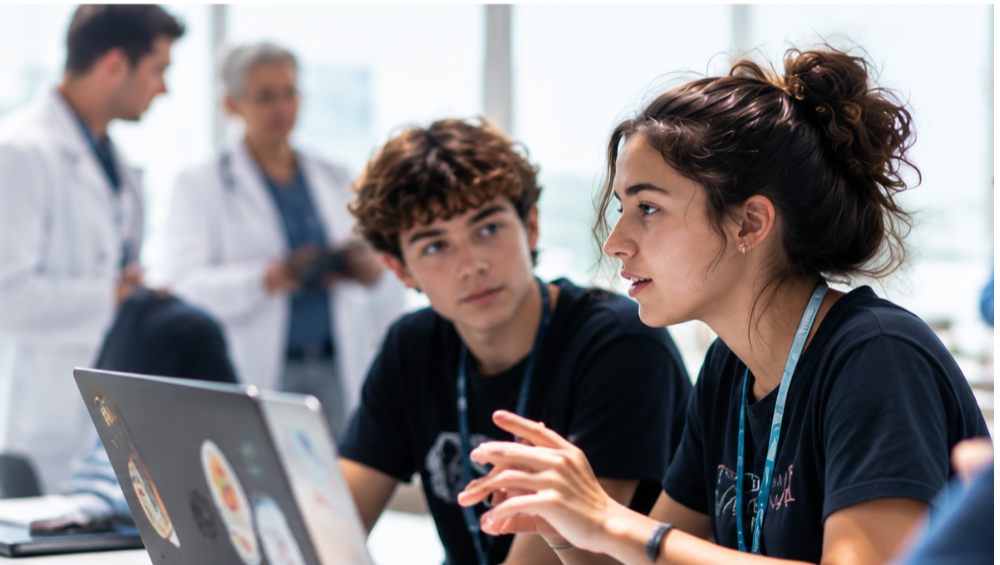
We unite bold young minds to build innovative solutions
In collaboration with MIT Hacking Medicine, three real-world healthcare challenges are selected to inspire bold thinking and disruptive innovation. We unite young minds and diverse expertise to develop innovative, market-ready solutions with the power to transform healthcare worldwide.
THE EXPERIENCE
01
PICK A CHALLENGE

02
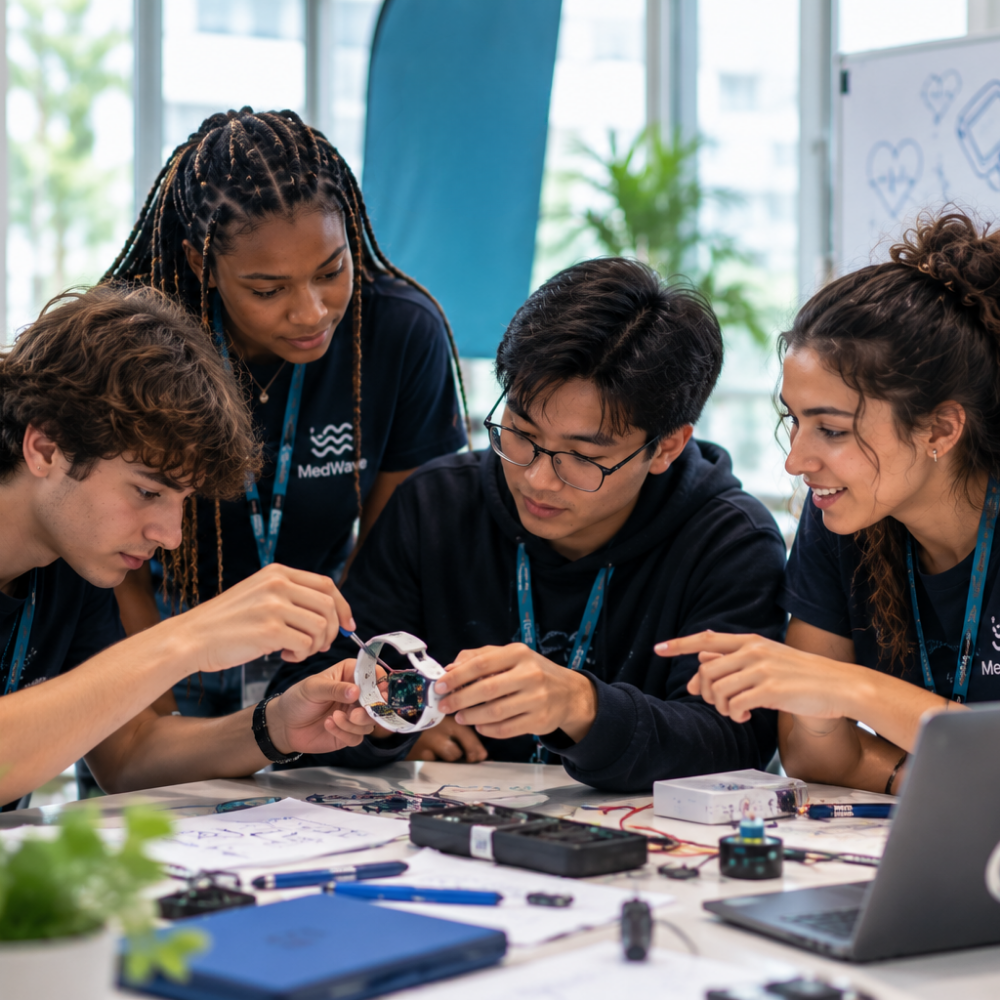
CREATE WITH YOUR TEAM
03
REFINE AND VALIDATE

04
PITCH IT
Choose Your Challenge
-
How can AI and emerging technologies help discover, develop and deliver medicines, improve lifespan more effectively, safely and responsibly?
-
How can technology and scientific innovation help identify health risks earlier, support better treatment decisions and improve outcomes for people living with serious or chronic diseases?
-
How can we make medicines easier to access, safer to use and more reliably available, while improving the sustainability of pharmaceutical production and delivery?
PROGRAMME
-
18:00 - 18:30 Meet The Mentors and Judges
18:30 - 19:00 Q&A with the Organisers
19:00 - 20:30 Networking Reception
-
08:30 - 09:30 Arrivals and Registration
09:30 - 09:40 Opening Remarks by Organisers and Partners
09:40 - 09:50 Official Welcome Address
09:50 - 12:00 Projects’ Finalisation with Mentors
12:00 - 13:00 Challenge Elimination Round: 20 min per challenge
13:00 - 14:00 Luncheon Networking
14:00 - 14:30 Grand Final: Top 3 Team Pitches: 10 min per team
14:30 - 15:00 Awards Ceremony
GET INVOLVED
Choose your engagement with MedWave Hack.
PARTNER WITH MEDWAVE
LEAD THE REVOLUTION Sponsor MedWave Hack
Amplify Your Brand, Showcase Expertise, Shape Healthcare Innovation and Empower The Next Generation Of Entrepreneurs.

GALEN
Supporting Partner

ASCLEPIADES
Community Partner
ERASISTRATUS
Impact Partner

Innovation Partner
HEROPHILUS
HIPPOCRATES
Title Partner
FREQUENTLY ASKED QUESTIONS
How it works?
1
Teams are formed 3 weeks before the event and paired with mentors. A pre-event webinar and onboarding doc help everyone to get up to speed.
On the day, you will have 3 hours to work with your team to finish your project and polish your pitch with the Mentors’ support. Teams within each Challenge will face an elimination round by the end of the session. The strongest teams then pitch to a judging panel who will choose the ultimate winner on Creativity, Impact, Use of Technologies and Go-To-Market potential.
Both are accepted.
Participants registering individually will be assigned to teams (3-5 people) by the organisers. Teams will be formed and announced on 16th January.
Should I register as a team or individually?
2
Who can participate and how much does it cost?
3
The hackathon is designed for high achieving secondary students, university students and young professionals. Ages 18-30. If registering a team it must be between 3-5 people. Individual registrants will assigned to teams by the organisers by 16th January.
Participation is free.
What can I win?
4
A Golden Ticket to attend MIT GrandHack 2027/2028 in Boston, USA, Internships & insight days with leading organisations, Mentoring sessions with founders and senior executives, CV workshops and interview preparation, Cash prizes.
Full prize details will be announced nearer to the event.
Organized By:
Program and global community founded at the Massachusetts Institute of Technology in 2011. Its goal is to fix and improve healthcare by bringing people together to invent fast, creative solutions.
Award-winning and globally recognized fully inclusive educational initiative that provides access to quality education and global careers.